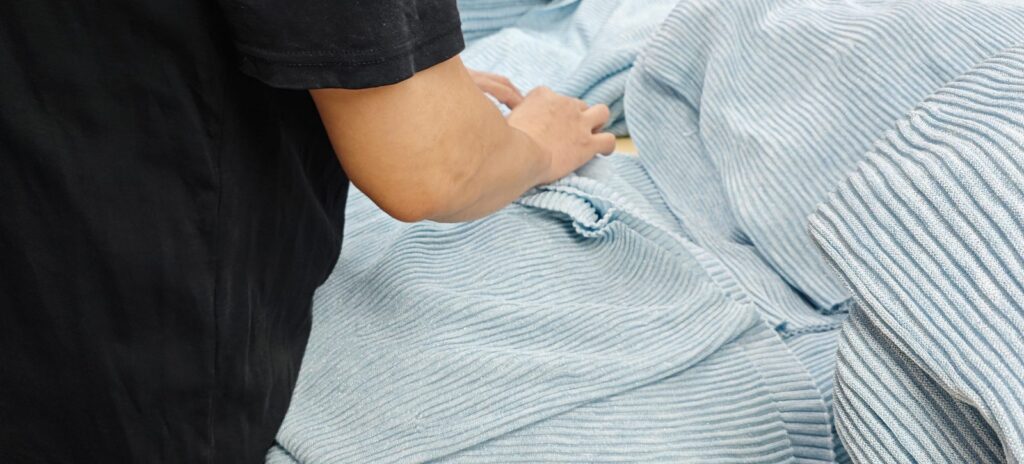
Custom Knitwear for Startups: From First Sketch to Bulk


A first order rarely fails on the knitting. It fails at the handovers — a sketch that was never a specification, a colour approved on a screen, a sample nobody signed. A custom knitwear manufacturer sees six decision gates between your first idea and a carton on a pallet. Skip one and the delay lands three weeks later.
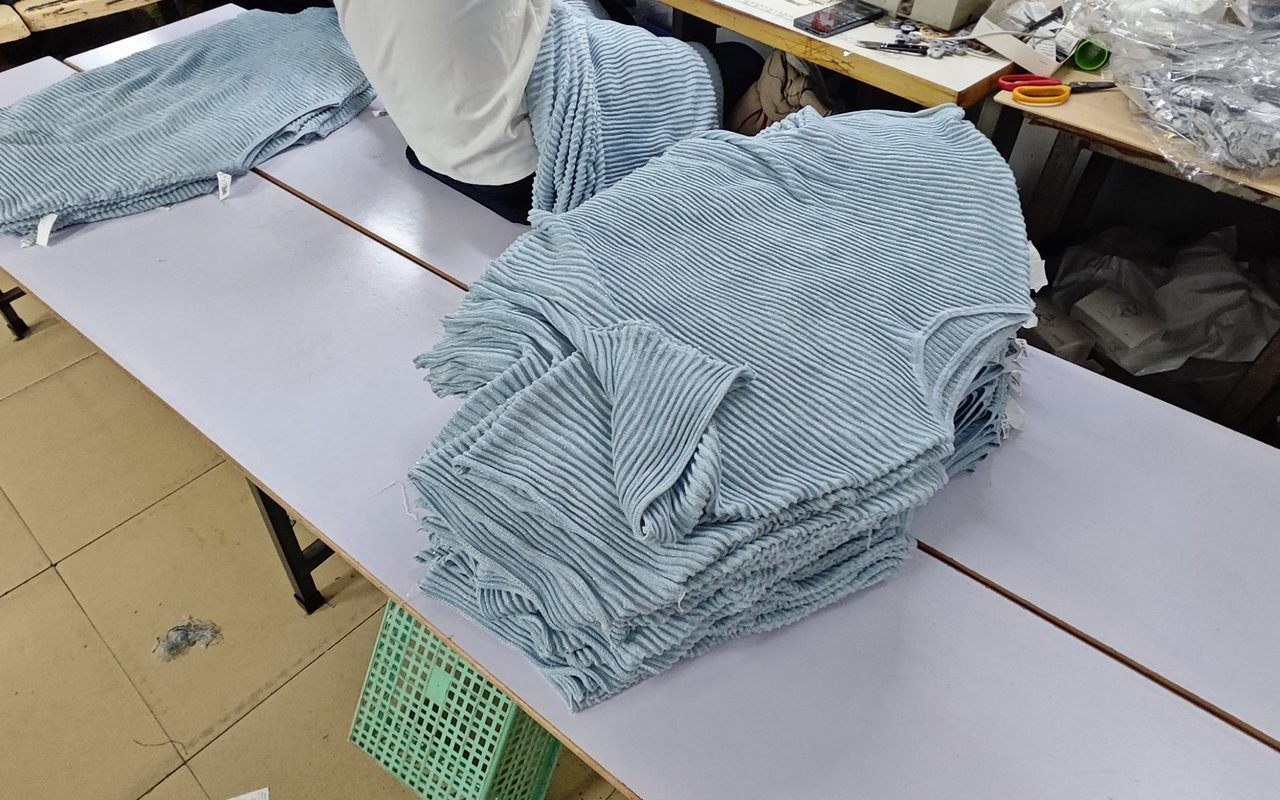
A first order is not one decision. It is six, and every one of them has to hand over a document. Most delays we see are not knitting problems. They are handover problems.
Most first-time buyers ask a custom knitwear manufacturer two questions: how much, and how long. The honest answer is that both numbers are settled before a single needle moves. Between a sketch and a shipped carton there are six points where a decision has to be written down and passed from your side to ours. We call them gates. Nothing moves to the next gate until the current one has produced something both sides can read, measure and sign. That is the whole difference between a first order that lands on its date and one that drifts.
We run 120-plus computerized flat knitting machines across 3GG to 16GG in one 5,000 m² building in Dalang, Dongguan, with an annual output of 1,600,000 pieces. Our MOQ is 50 pieces per style per colour. Samples start at one piece in 3–7 days; bulk runs take 20–25 days after approval. Those are the figures buyers remember. The six gates are the part that decides whether those figures hold for your order, and they are the part almost nobody writes into an enquiry. Buyers comparing custom clothing manufacturers for startups often ask for one number at this point. The honest answer is that custom knitwear is priced per style, per colour and per gate, and the gate sequence is what fixes the date.
Gate discipline, not machine speed, is what keeps a first order on its date. A 20–25 day bulk run is measured from an approved sample, confirmed yarn and a signed specification — not from the day the enquiry arrived.
Everything before approval is preparation. Nothing before approval starts the clock.
- Six gates: brief, yarn, sample, approval, bulk, shipment. Each one hands over a document, and each document has an owner.
- The clock starts at approval. 20–25 days for bulk is counted from the signed sample, not from the first email.
- A photo is not a specification. Send a stitch chart, a gauge, a physical colour standard, a size table and quantities per colour.
- Small is workable: MOQ 50 pieces per style per colour, samples from one piece in 3–7 days. Custom knitwear at this scale uses the same six gates as a 5,000-piece run.
- Freeze the specification at Gate 4. A change made on paper costs a day. The same change made after knitting starts costs a run.
Six gates between a sketch and a carton
A gate is simply a point where one side cannot proceed without something from the other. Six of them sit between a design idea and a shipped order. We track them because they map exactly to the documents our programmers, yarn store and QC team need. When a buyer compresses all six into one email that says “make it like the photo”, we still have to reconstruct every gate — and the reconstruction is where interpretation creeps in.
The table below is the version we use internally, shortened. Read the third column first. It lists what actually breaks when a gate is skipped, and it is the reason a first order with a thin brief so often takes longer than a repeat order twice its size.
| Gate | You hand over | We return | What breaks if skipped |
|---|---|---|---|
| 1 · Brief | Stitch chart, gauge, size table, quantities | A quotable specification | Quote drifts; the sample answers the wrong question |
| 2 · Yarn | Composition, colour standard, acceptance | Confirmed cones and dye lots | Shade mismatch across the run |
| 3 · Sample | Approval time, one wearable reference | One physical sample in 3–7 days | Handfeel, shrinkage and drape go unchecked |
| 4 · Approval | Signed spec, sealed sample | A frozen production file | Changes land after knitting starts |
| 5 · Bulk | Nothing — the file is locked | 20–25 days of production | Rework, idle machines, a missed ship date |
| 6 · Shipment | Packing and labelling requirements | Inspected, packed, documented cartons | Correct garments held on a paperwork fault |
Each gate produces a document, not a conversation. A phone call that settles a colour but leaves no written standard has not closed Gate 2.
Gate 1: turn a sketch into a specification
The first gate is the one buyers most want to skip, because a photograph feels like a complete brief. It is not. A photograph tells us what a garment looks like under one light, on one body, at one moment. It does not tell us the gauge, the stitch construction, the yarn composition, the colour standard, the size grading, the tolerance, or how many pieces you need in each colour. Those are the six lines our programmer needs before a single course is written.
What closes Gate 1 is a quotable specification for custom knit sweaters. In practice that means: a stitch chart rather than a photograph for any patterned work; a gauge target or a target fabric weight; a size table with measurements and tolerances for at least three sizes; the yarn composition or an approved substitute; a physical colour standard or a named reference; the construction decisions at the shoulder and neckline; whether the front opens; and quantities per style per colour against our MOQ of 50 pieces. Buyers shortlisting the best clothing manufacturers for startups usually find that the specification sheet, not the factory tour, decides the outcome. Our notes on shoulder construction and neckline types exist because those two decisions change the knitting program, not just the look. If the garment opens at the front, say so at this gate — a cardigan and a pullover are different production files.
Gate 2: confirm yarn and gauge before knitting
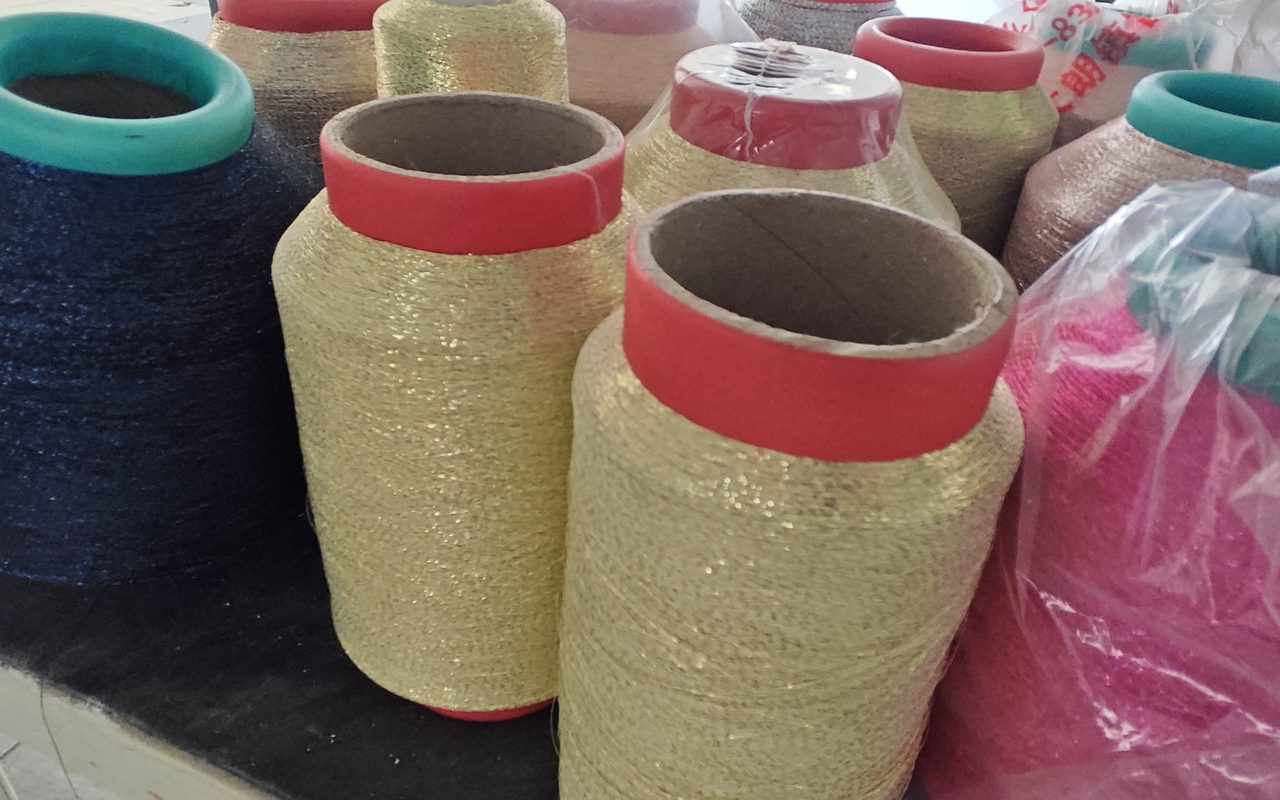
Yarn is the second gate because it is the one physical input that cannot be corrected later. Our machines cover 3GG to 16GG: a coarse 3GG knit and a fine 16GG knit need different yarn counts, and the same design drawn at two gauges will not weigh or drape the same. Confirm the composition, the count, the colour standard and the dye lot before programming. If the design uses colourwork, confirm how many colours sit in a single row as well — our Fair Isle production notes explain why two colours per row is the practical limit and why a larger total palette is a different question. Where a design needs custom knit fabric development rather than an existing yarn, that work belongs at this gate too, before any program is written.
What closes Gate 2 is a confirmed cone, not a colour name. That is the same discipline whether you are ordering custom knitwear at 50 pieces or a repeat run of 5,000. Screen colour is the most common source of disagreement we see: a buyer approves a shade on a phone, we match to a physical standard, and the two are not the same. Ask for a dyed swatch or a physical standard, approve that, and record the lot. For a first order of 50 pieces per colour, one lot is usually enough. For a repeat, the recorded lot is the only way to get the same shade twice. Our specification and lead-time page sets out the rest of the material brief we quote from.
Gate 3: one sample, three to seven days
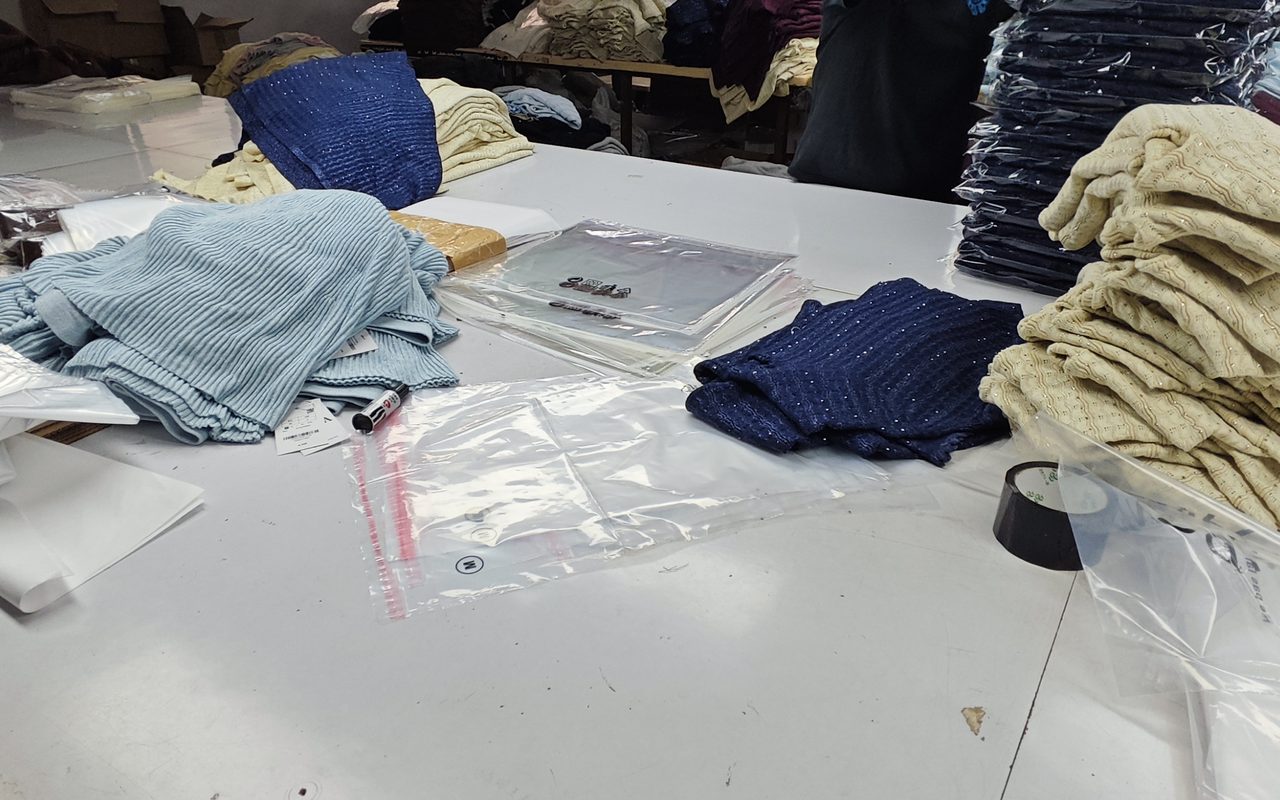
Gate 3 turns the specification into something you can hold. We knit samples for custom knitted sweaters from one piece in 3–7 days, because a first order of custom knitwear should never be approved from a rendering. Three things can only be judged in the hand: how the fabric actually feels at that gauge, how much the piece moves after washing, and how the shoulder and neckline sit on a body. A size table can be correct on paper and still produce a garment that hangs wrong.
Gate 3 ends with a written approval or a written list of changes — never with silence. Custom knitting at this stage is cheap to correct. Give the sample to the person who will sign off the bulk run, not only to the person who drew it. Ask them to check four things: measurements against the size table, shade against the physical standard, handfeel after washing, and construction at the seams. If one of the four is wrong, this is the cheap moment to say so. Our sampling walkthrough shows the same sequence from the factory side, step by step.
Gate 4: sign the specification, then freeze it
Gate 4 is the least interesting and the most valuable part of custom knitwear, because it turns a conversation into a file. The approved sample becomes the sealed reference; the specification is signed and versioned; the production file is locked. From this point, a change is not an edit, it is a new decision with a cost and a date attached. We ask for one signatory on the buyer side. Two people approving two different details is the single most common reason a file gets reopened.
A signature is what closes Gate 4. It also starts the clock: our 20–25 day bulk lead time is measured from the approved sample, confirmed yarn and signed specification, never from the enquiry. Buyers who compress Gates 1 to 4 into a single week often assume the bulk run began on day one. It did not. The 3–7 days of sampling and the approval window sit before the clock, which is why we publish both numbers separately. Our MOQ and sampling page gives the same floor for a 50-piece first run: small quantities change the price per piece, not the number of gates. That is the practical meaning of custom knitwear low minimum order quantities for a new label: the floor is 50 pieces, and the six gates stay the same.
Gate 5: twenty to twenty-five days from approval
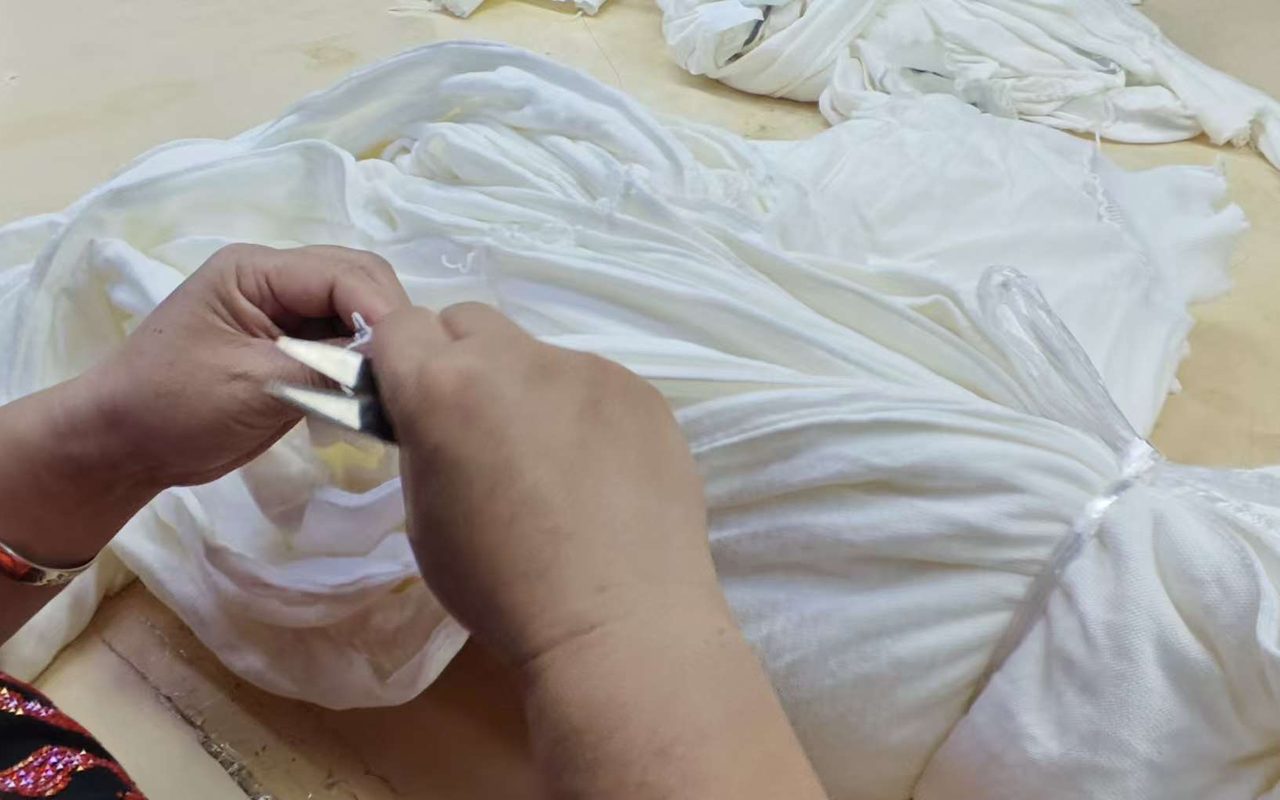
Gate 5 is the part everyone pictures: a custom knit sweater manufacturer with 120-plus flat knitting machines running a locked program across 3GG to 16GG, in a 5,000 m² building where knitting, linking, sewing, washing, pressing and inspection sit under one roof. But the 20–25 days is not a knitting duration. It is the whole chain: panels off the machine, linking and sewing, washing and pressing, then inspection and packing. A plain 12GG pullover and a structured colourwork piece use the same window because the constraint is the sequence, not the stitch count.
Our production record closes Gate 5, not another buyer decision. This is the one gate where you should not need to do anything. That is the point of the previous four. When the file is locked and the yarn is confirmed, we allocate machines, publish the plan and report against it; you receive progress, not questions. Buyers comparing a factory with a trading intermediary usually find the difference here, and our manufacturer versus supplier notes set out why the same 20–25 days can mean very different things depending on who controls the machines. For patterned work, our jacquard and intarsia page covers the programming decisions that have to be settled back at Gate 1. A creative knitwear manufacturer earns that description at Gate 1, with the chart, not at Gate 5 with a last-minute change.
Gate 6: check the garment, then the paperwork
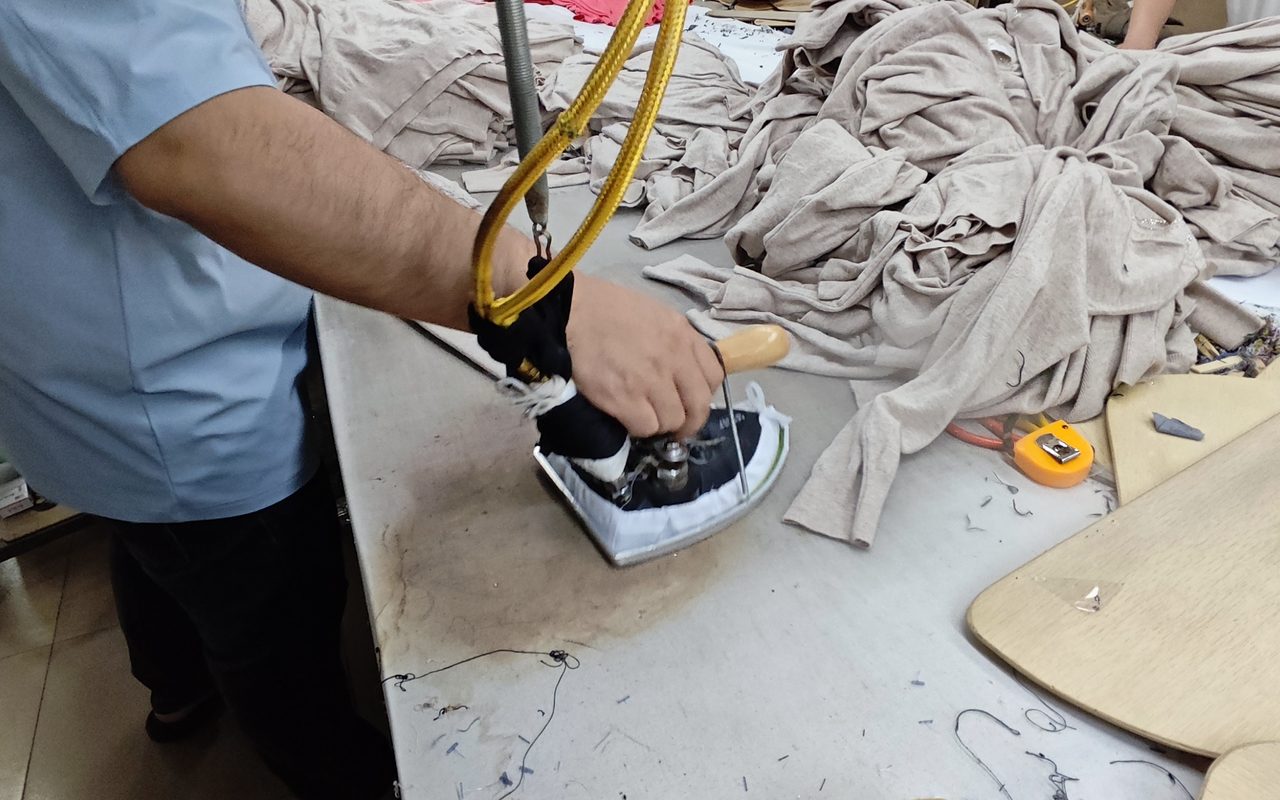
The last gate of a custom knitwear order has two halves. The first is the garment: measurements against the sealed sample, shade against the approved standard, seam and linking quality, float control on colourwork, and the finish after washing and pressing. The second is the paperwork: packing method, carton marks, size and colour assortment, and the fibre-content label that the destination market requires. Both halves have to be right. A well-made sweater with a wrong label does not clear.
An approved packing list plus a label specification matched to the market is what closes Gate 6. Fibre naming and labelling are regulated, not optional: in the United States the Textile Fiber Products Identification Act and 16 CFR Part 303 govern fibre-content disclosure, and in the European Union Regulation (EU) No 1007/2011 sets the fibre names and labelling rules. Classification for import uses heading 6110 for jerseys, pullovers, cardigans and similar knitted articles. We supply the composition data from the confirmed yarn; the importer or their broker confirms the classification and the label wording for the destination. Four sources are listed under References below, all checked on 15 November 2026.
What the first-order calendar looks like
Put the six gates of custom knitwear on a calendar and the two published numbers stop looking contradictory. The 3–7 day sample sits before the clock. The 20–25 day bulk run sits after it. The gates with no duration — brief, yarn, approval — are entirely controlled by how fast documents change hands, which is why a prepared buyer can compress a first order by two weeks without any machine running faster.
| Stage | Typical time | Counted in the 20–25 days? | Who controls it |
|---|---|---|---|
| Gates 1–2 · Brief and yarn | 1–5 working days | No | Buyer, with our spec template |
| Gate 3 · Sample, one piece | 3–7 days | No | Us |
| Gate 4 · Approval and sealed sample | 1–3 working days | No — this starts the clock | Buyer |
| Gate 5 · Bulk, 50 pieces per style per colour | 20–25 days | Yes | Us |
| Gate 6 · Inspection, packing, documents | Included in Gate 5 | Yes | Us, with your packing list |
Times are working estimates for a first order at MOQ, not a guarantee. A repeat order with a sealed sample and an existing yarn lot skips Gates 1 to 4 entirely.
Frequently asked questions
Can I place a first order below 50 pieces?
Do I really need a stitch chart, or is a photo fine?
When exactly does the 20–25 day clock start?
What happens if I change something after knitting starts?
Which decisions must be made before the sample?
Who handles fibre labels and import classification?
References
- 16 CFR Part 303 — Rules and regulations under the Textile Fiber Products Identification Act (fibre-content labelling), Electronic Code of Federal Regulations.
- 15 U.S.C. § 70 — Textile Fiber Products Identification Act, Legal Information Institute.
- Regulation (EU) No 1007/2011 — textile fibre names and related labelling, EUR-Lex.
- Harmonized Tariff Schedule of the United States — heading 6110, jerseys, pullovers, cardigans and similar knitted articles, U.S. International Trade Commission.
Statutory and regulatory references were checked on 15 November 2026 and return HTTP 200. Factory figures (machines, gauge, MOQ, annual output, floor area, lead times) are our own published specifications. Nothing here is legal advice; classification and labelling questions are answered by the authority that assesses your entry.
Send the six, not just the sketch
Attach a stitch chart if there is a pattern, name the gauge and yarn, send a physical colour standard, a size table with tolerances, the construction at the shoulder and neckline, and your quantity per colour. We will close Gate 1 with a quotable specification and tell you exactly where your 20–25 days begins.
WhatsApp / WeChat +86 137 1519 6498sychen@limingknitwear.com